
By: Maura Carlin, Editor
What if LVMH, the luxury conglomerate that owns Louis Vuitton, Dior, and others, bought Hermès?
It may sound preposterous and impossible now, but back in 2010, there was chatter about this being LVMH’s intention. At least until it was thwarted. And while we all thought this past was behind us, recent events have brought the story back to the forefront.
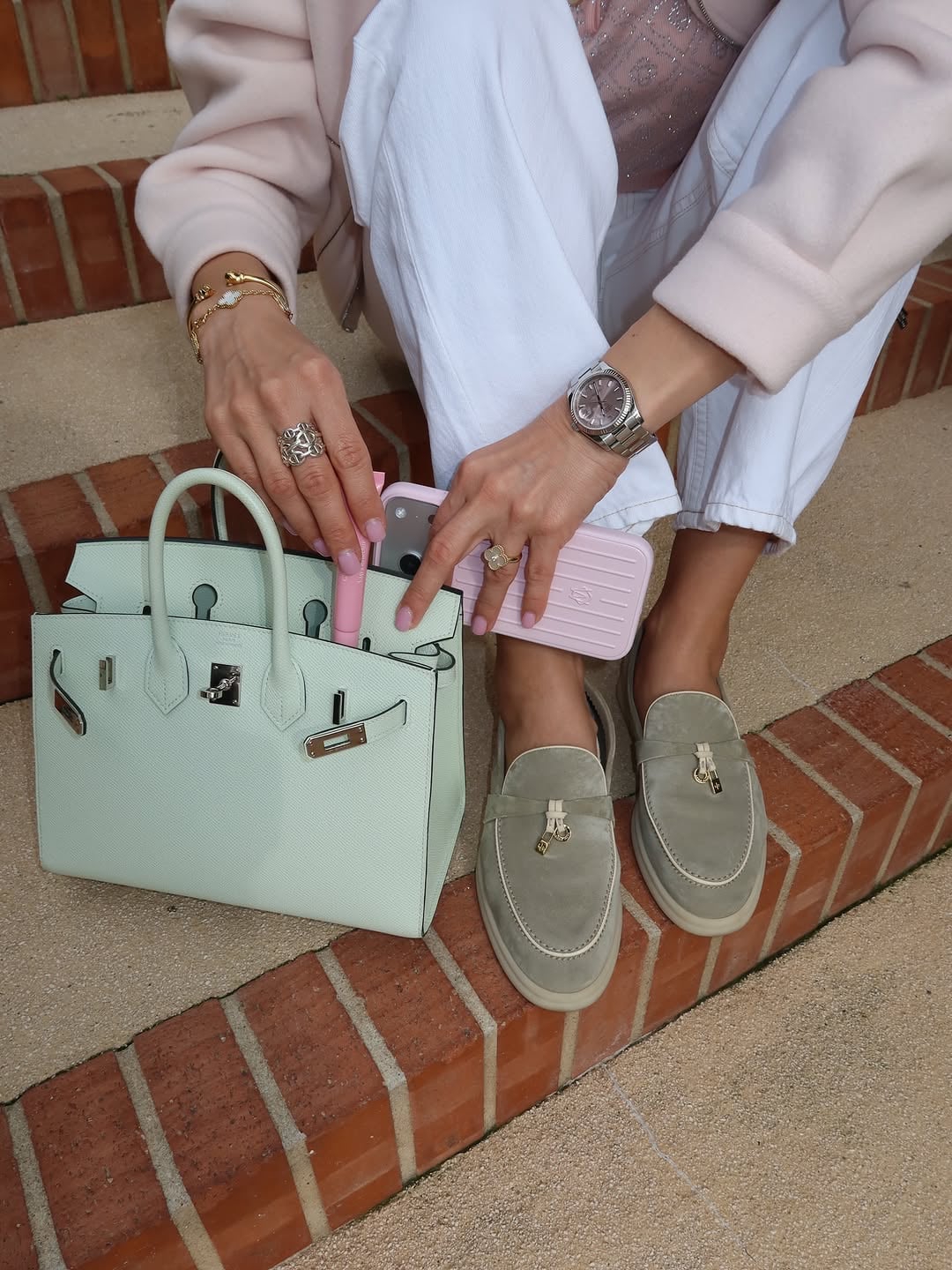
Image courtesy: @mirona_radu
Around 2010, LVMH CEO (then and now) Bernard Arnaud quietly and secretly acquired about 23% of Hermès equity. The Hermès family, which to date retains most of the company ownership, was concerned and sued LVMH, calling it an illegal scheme to gain control. LVMH and Arnaud denied the allegations, and the parties ultimately settled with Arnaud ceding most of the Hermès shares to LVMH shareholders.
Rumors abounded about the source of LVMH’s interests, including an estranged Hermès family member, Nicolas Puech. You may recall Puech from recent news about how he tried to adopt his gardener in order bequeath his estate, allegedly broke a contract with a foundation about his estate, discovered his 6 million shares of Hermès stock missing, and has sued LVMH and his former (now deceased financial advisor) to get them back.
Most recently, French authorities announced an investigation into the missing shares, and have added a suspect: a Swiss lawyer named Alexandre Montavon, alleging his role in the case of the missing Hermès shares.
As the investigation continues — and perhaps we’ll find out not only what happened to Puech’s shares but also how Arnaud amassed a block without Hermès knowing — it re-raises the question of what might have happened if LVMH bought Hermès in the early 2010s.
Put another way, would Hermès still have the cachet and allure that it has now? Would its relationship-based allocation system have survived? Or might pressures on the bottom line have forced a strategy of greater growth through product sales volume?
What comes to mind is Loro Piana, another family owned and run business, this one in Italy rather than France, dedicated to providing luxury cashmere and wool fabrics to other fashion houses. Officially incorporated in 1924, in the 1980s heirs expanded to fabricate its own designs. Over the next decades, Loro Piana became a brand for the wealthy ‘in the know’ — perhaps one of the premier serving quiet luxury.

Image courtesy: @savinachow
In 2013 LVMH acquired a majority stake in Loro Piana for €2 billion (then $2.57 billion). At the time, 85% of Loro Piana’s revenue came from its own 185 boutiques or shop in shops, with the LVMH CFO Jean Jacques Guiony stating: “We think we can increase the footprint of the brand without impairing its exclusivity.” As of 2026, Loro Piano has 180 of its own stores.
But, is it still exclusive? Or as exclusive as it once was. Over the last 13 years, this once little known brand became the darling fashion choice of hedge-funders and tech bros, and exacerbated as Loro Piano was costuming for the streaming hit Succession, as well as Gwyneth Paltrow’s real life court case ensemble.
Read also here.
No longer a whispered secret or a code known only by the rich, Loro Piana is mainstream, other than its other-worldly pricing which keeps away the non- and perhaps medium-rich. Its cashmere baseball cap landed on the Lyst hottest item list in 2024. And there was the 2024 sneaker collab between it and tennis star Coco Gauff.
The point is that since joining the LVMH family Loro Piana has become part of the cultural and fashion zeitgeist. Not just a known brand among the über wealthy and luxury stealthy. The same might have occurred to Hermès had LVMH taken control.
But it happened anyway — whether by design or accident. At least since the 2000-ish episode of Sex and the City that highlighted waitlists for the Hermès Birkin, the fashion-forward have focused on the Maison. And particularly the difficulty of accessing its handbags. Of course, there are many Hermès devotees from long before the millennium, but the surge in demand seems tied to these last years when even Amazon sellers and Walmart pitched their own versions of the Birkin. The Hermès Birkin and Kelly (and the brand generally) are no longer a secret among the wealthy, but the fodder of intrigue, disgust, and envy.
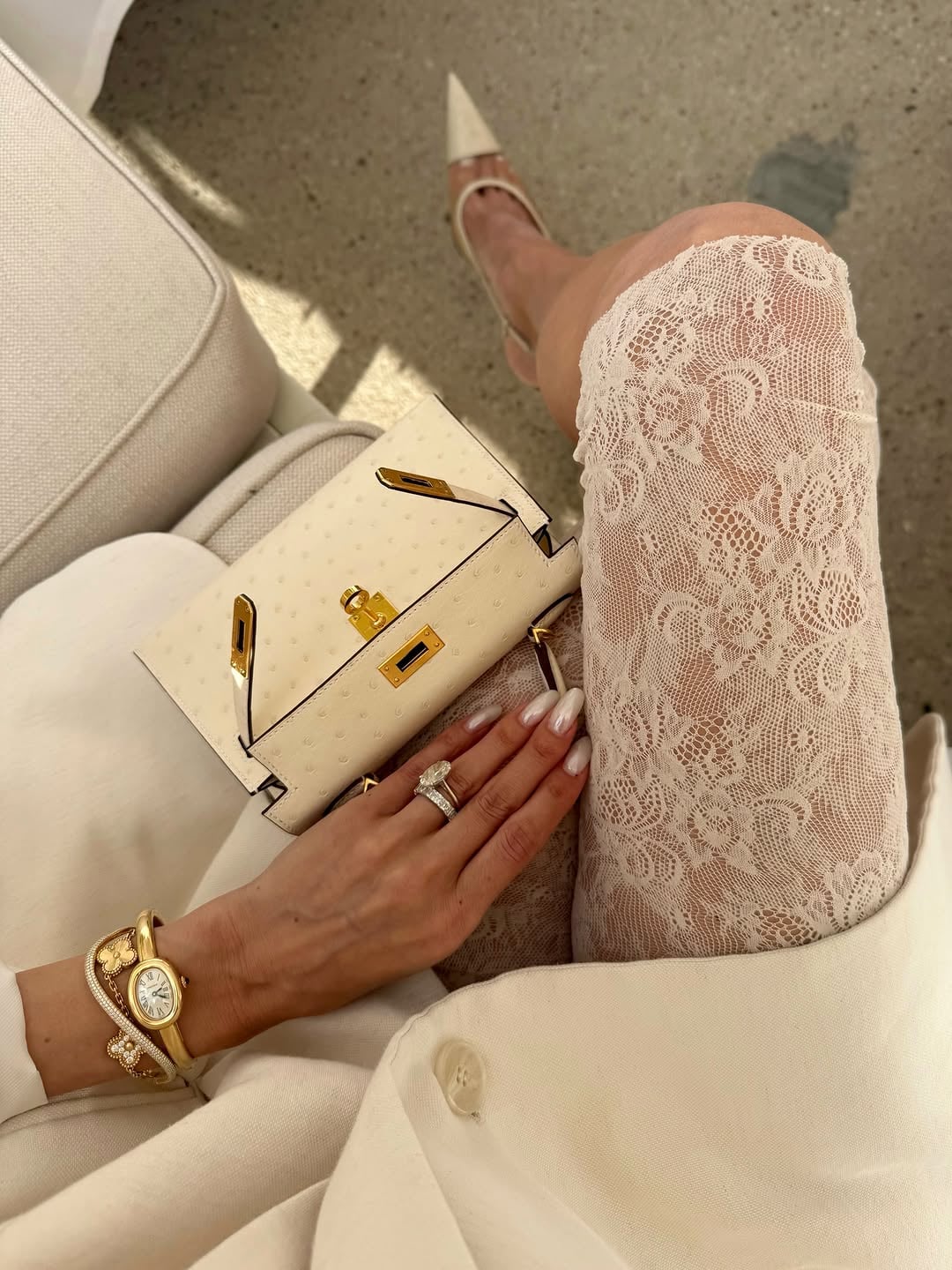
Image courtesy: @leoniehanne
Still, a LVMH-owned Loro Piana and independent Hermès may differ in the availability of products. Loro Piana is purchasable, usually, if you have the bank account to match. Hermès is pervasively (if not permanently) out of stock of its most popular items, even beyond handbags, although as shoppers say, the items just aren’t available “for you.”
What do you think would have happened if LVMH took over Hermès? Is there something about Hermès being a family business? Or has it out-sized that label?
- Maura Carlin posted 5 months ago
- last edited 5 months ago