
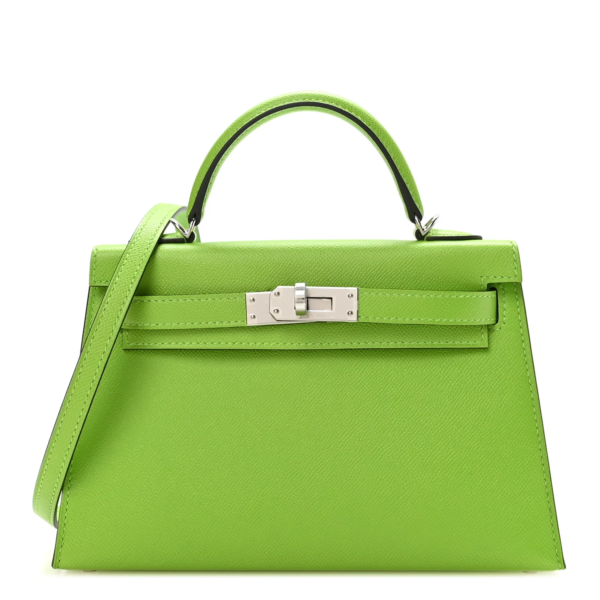
Passport? Check. Wallet? Check. Window seat? Here’s hoping. The usual pre-flight checklist is second nature, but if you’re traveling with a few treasured luxury pieces, there’s another question worth asking: have you packed them properly? Whether you’re bringing along a Hermès Mini Kelly, a favorite heirloom watch, or a sprinkling of diamond jewelry, knowing how to pack your luxury goods can make all the difference.
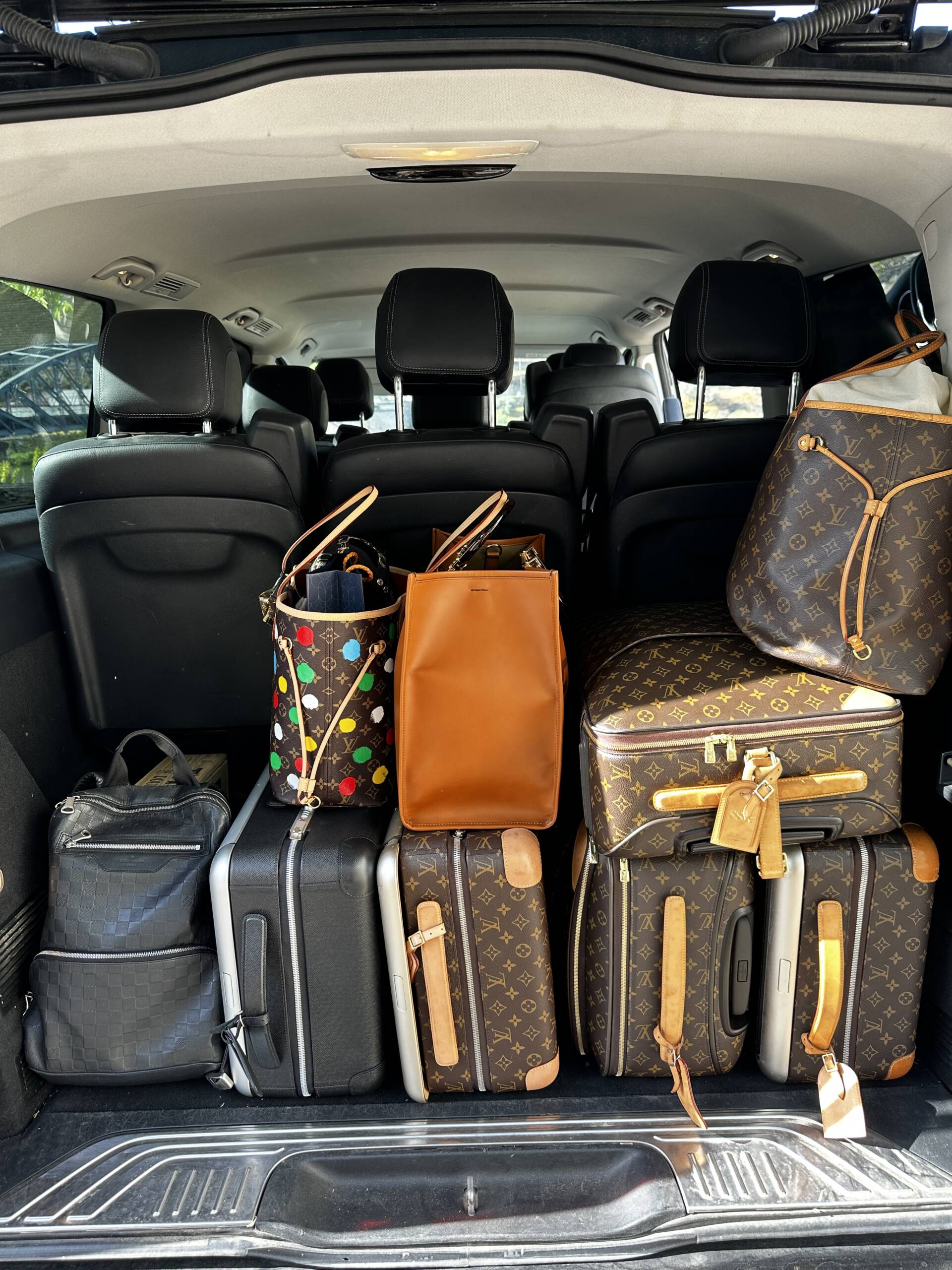
The trick is to make the most of your luggage allowance without compromising the pieces you’re bringing along. From nesting smaller handbags inside larger ones to choosing the right travel tote and organizing your cabin suitcase, a little planning goes a long way in making the most of your luggage space. Here’s how to pack smartly, travel comfortably, and keep your favorite luxury items close at hand.
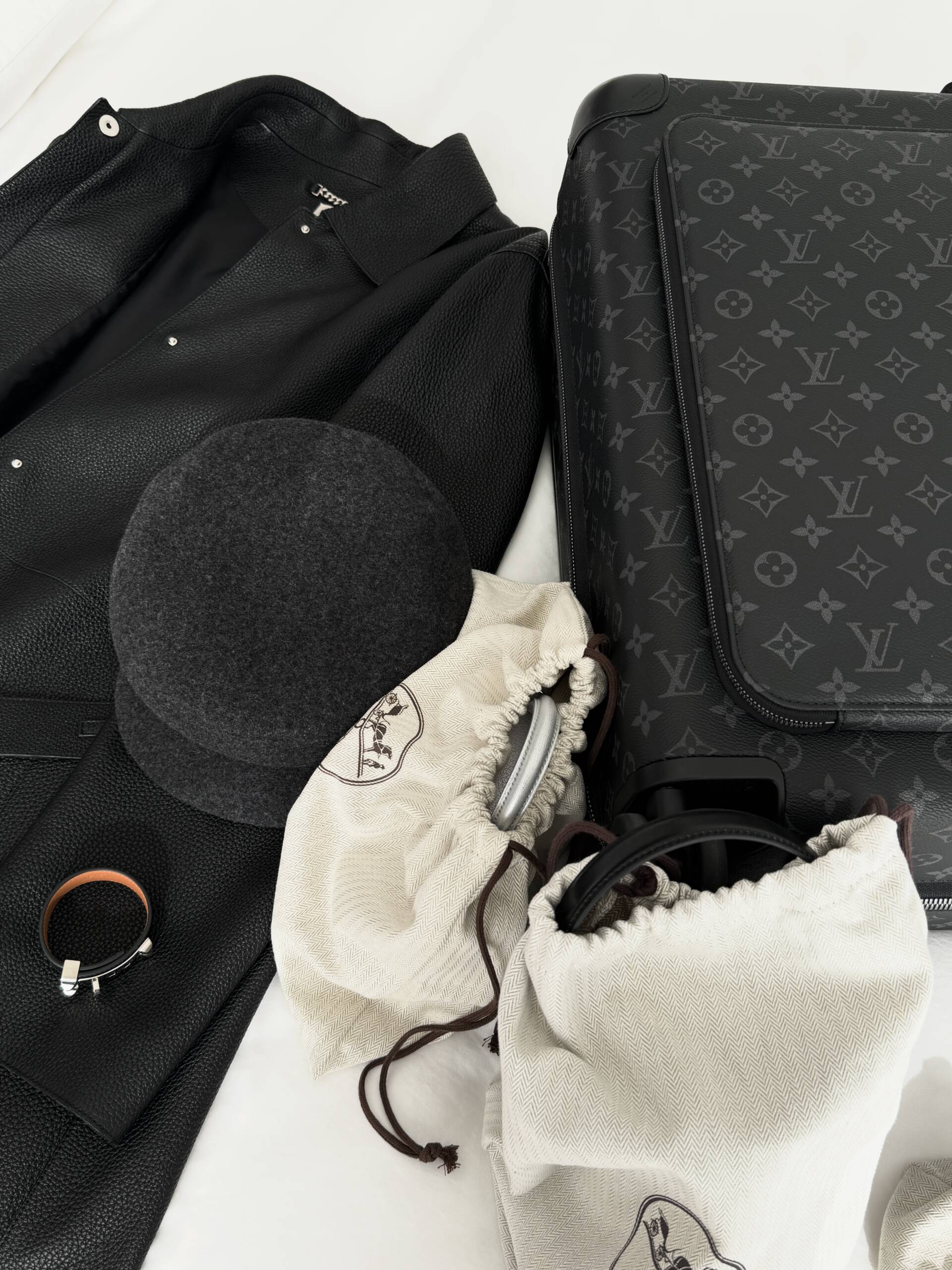
Keep Your Luxury Handbags in the Cabin
First things first: never check your most valuable handbags, watches, or jewelry. While your larger suitcase might be destined for the aircraft hold, your prized possessions should travel with you in the cabin.
Checked luggage is exposed to handling, movement, and the possibility of delays, misdirection, or loss. Keeping your luxury pieces in your carry-on means you have greater control over how they’re transported and can keep an eye on them throughout your journey.
Of course, this doesn’t mean you need to limit what you bring on your travels. With a little creative packing, you can bring several pieces along without sacrificing all your available luggage space.
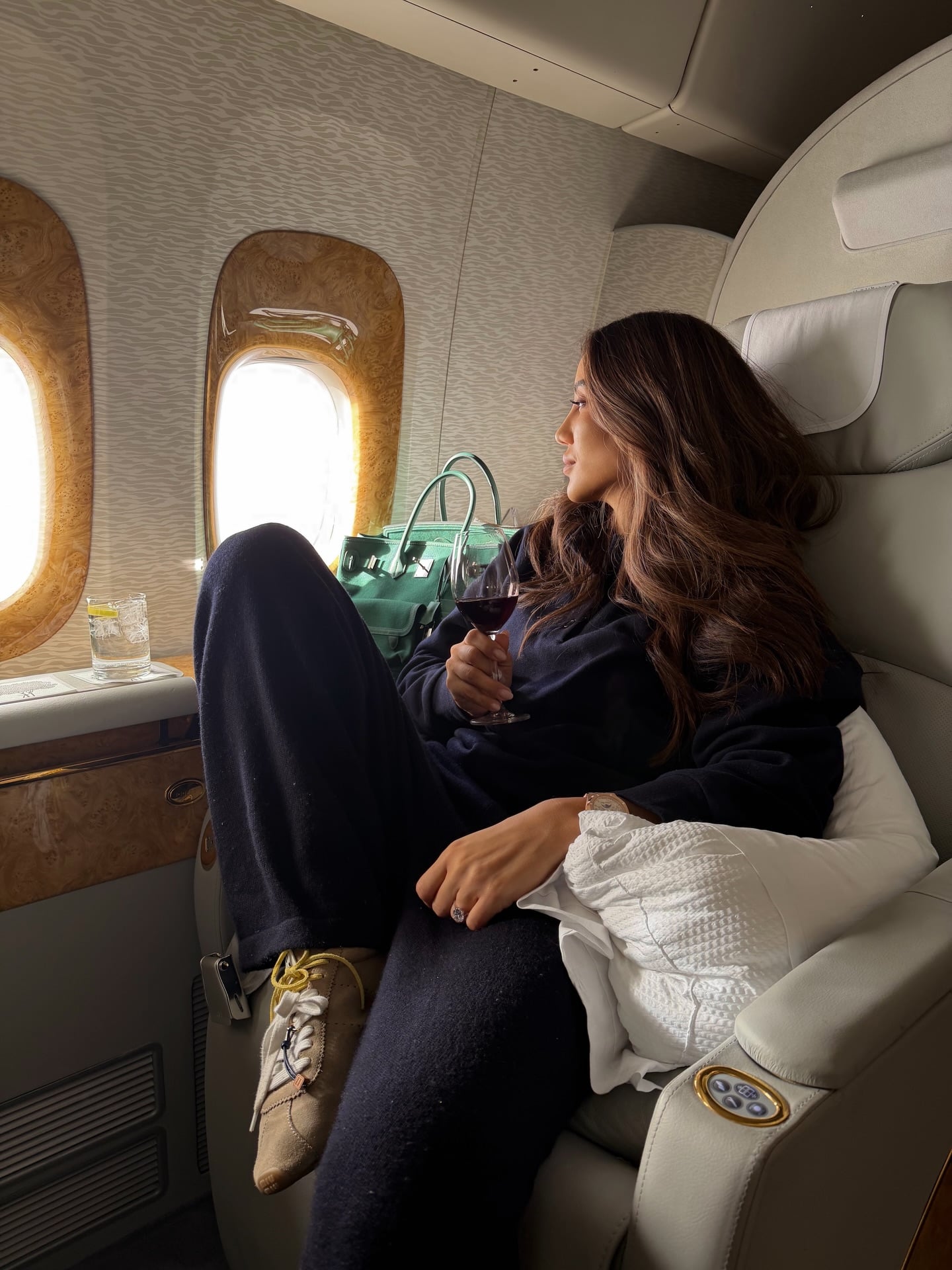
Image courtesy: @tamara
The Art of Handbag Nesting
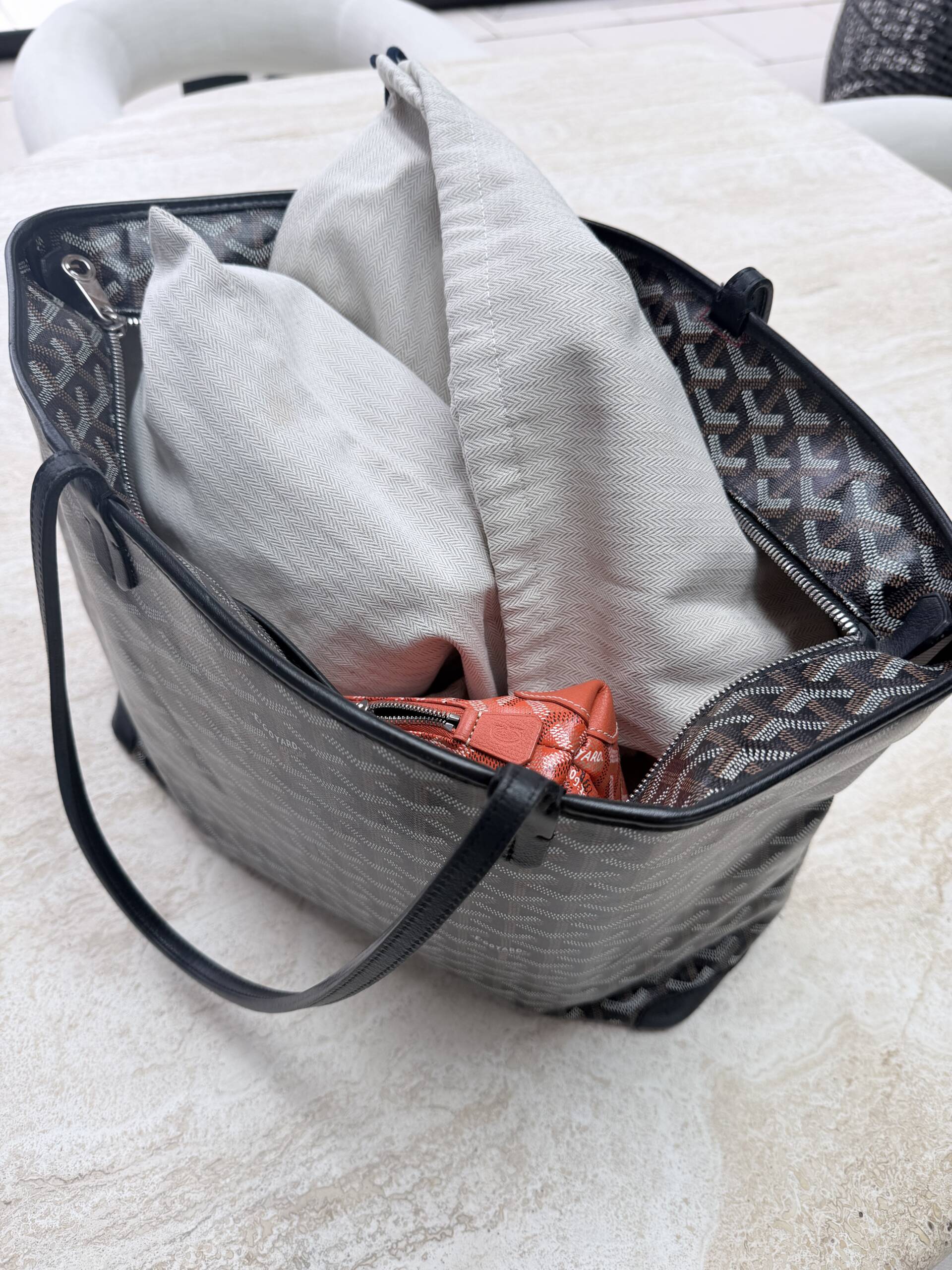
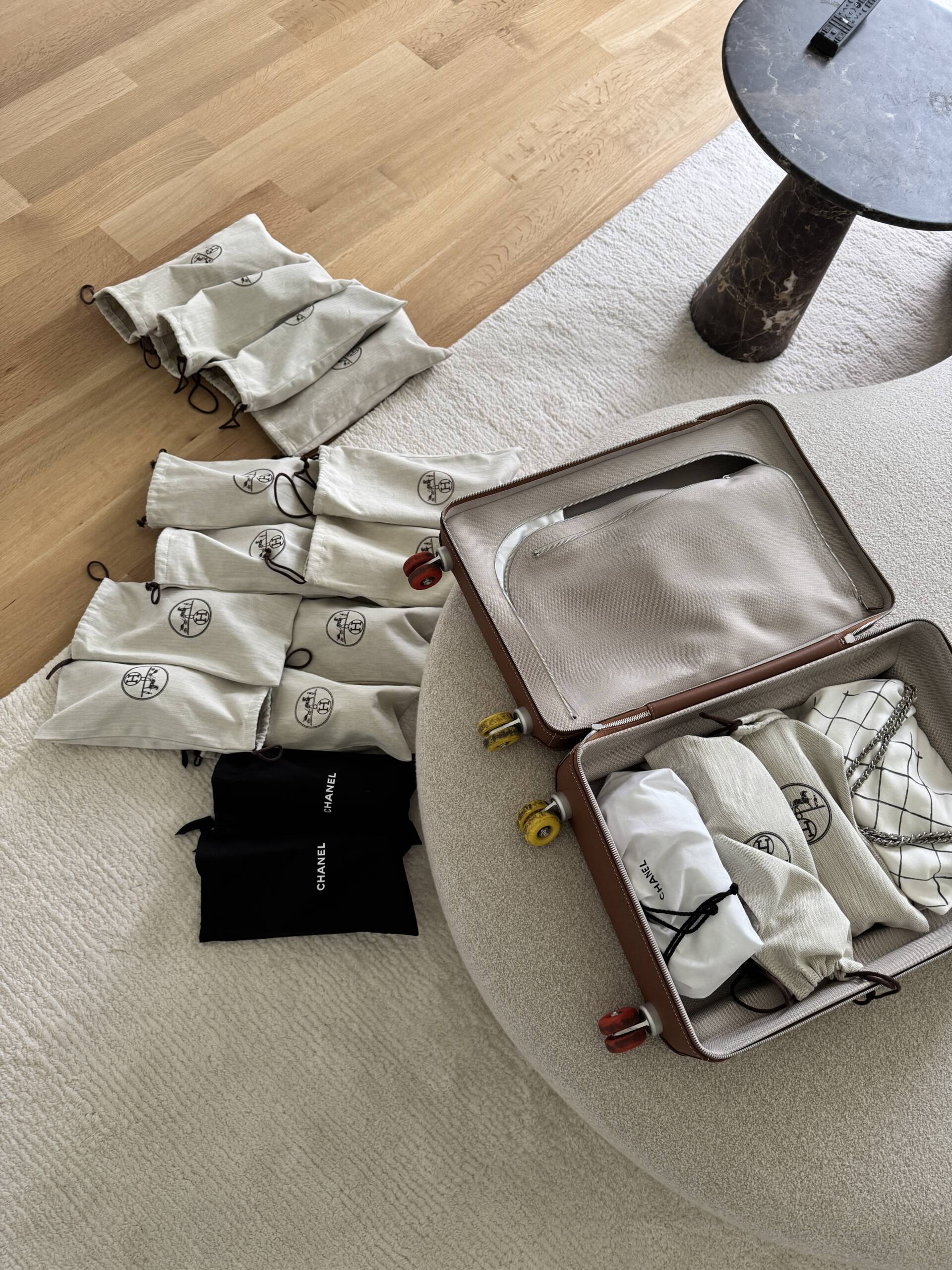
If you’re traveling with multiple handbags, you might want to try a technique PurseBop has championed for more than a decade: bag nesting. The idea is simple: place smaller handbags inside larger ones, making use of otherwise empty space while keeping your collection together and protected in transit.
Dust bags are essential here. Use them to separate individual bags, protecting delicate leather, finishes and hardware from rubbing against one another. Pay attention to each bag’s structure, too. Avoid forcing one style into another or filling a structured silhouette so tightly that it loses its shape. The goal is to make clever use of available space, not squeeze in as many bags as physically possible.
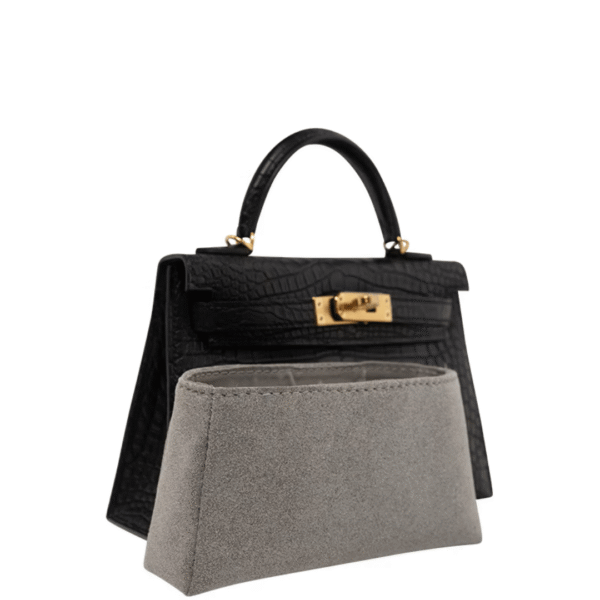
Handbag inserts, like Lotus Inserts, offer an extra layer of protection when travelling with your favorite bags. Slim and lightweight, the style-specific inserts provide additional structure and support, helping handbags retain their shape in transit while protecting their interiors. Once you reach your destination, they continue to be useful, keeping bag interiors stain-free and smaller essentials organized.
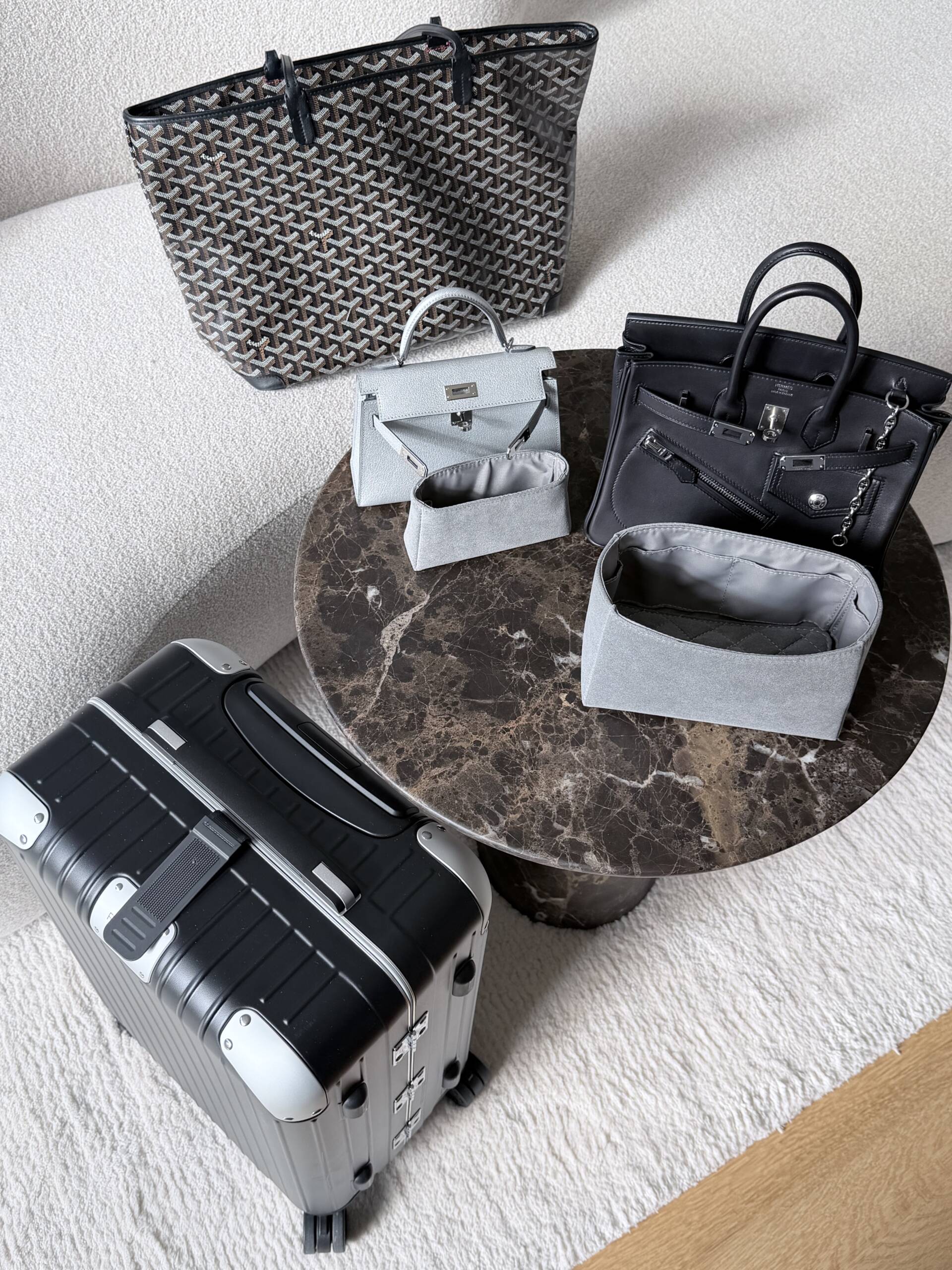
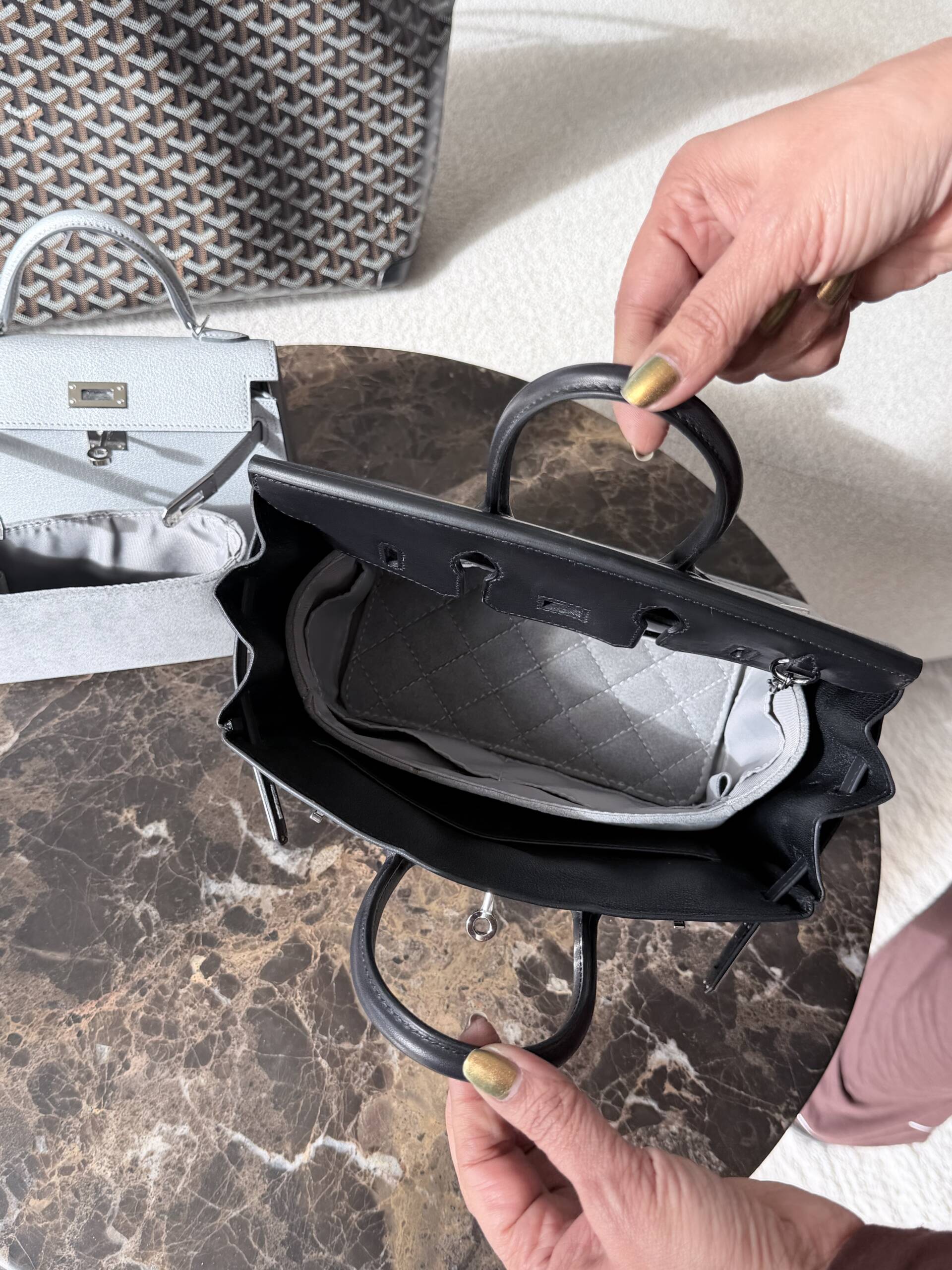
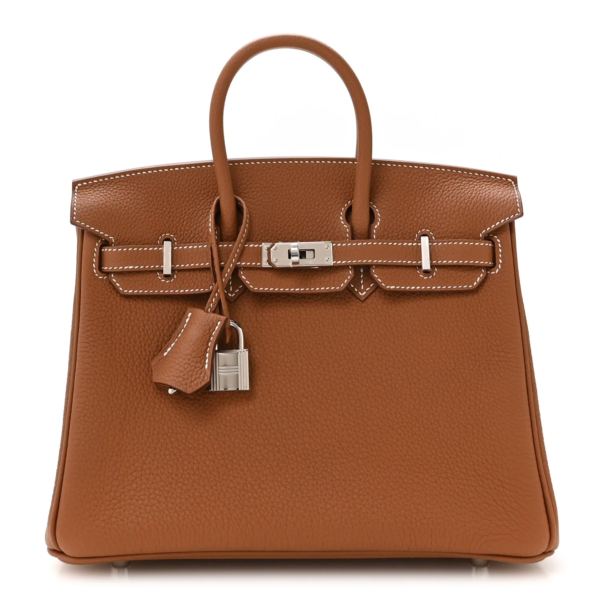
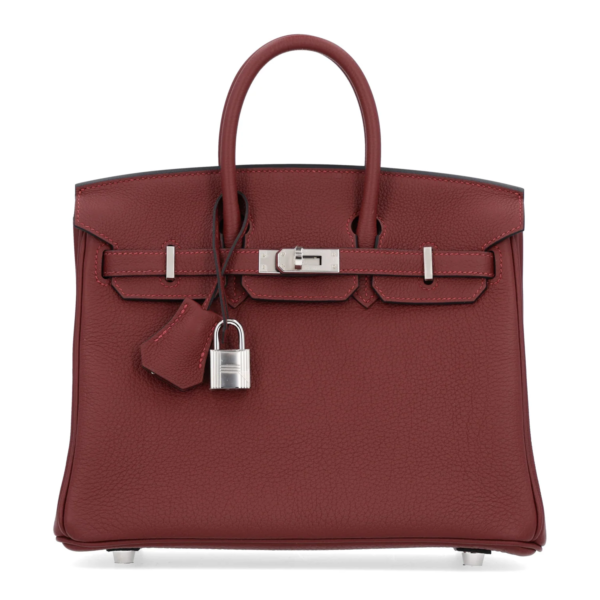
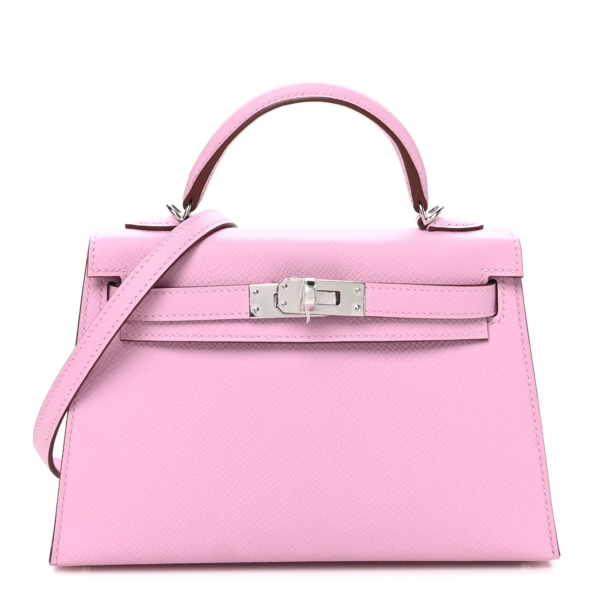
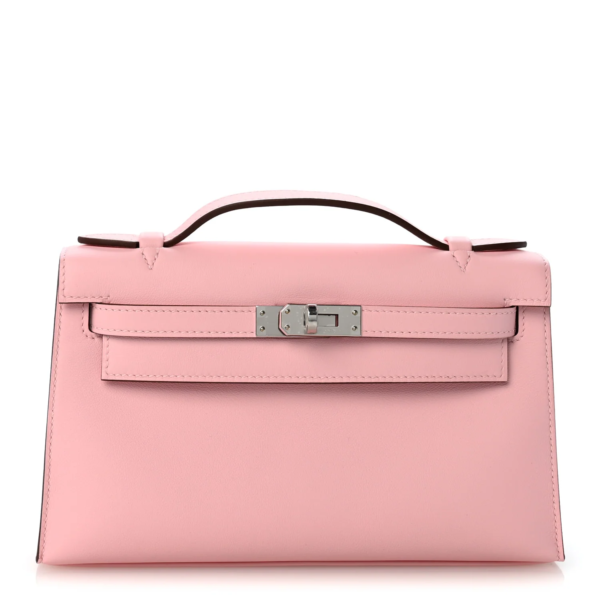
PurseBop’s packing for her most recent trip to Paris shows how far a little luggage Tetris can go, especially her travel tote. Starting with a Goyard Artois MM as her personal item, she managed to accommodate four handbags, jewelry and travel essentials. A Mini Kelly II, safely tucked into its dust bag, was nestled inside a Rock Birkin 25, also protected by its dust bag. A Van Cleef & Arpels jewelry pouch and cash fitted alongside, while a Kelly Danse found its place inside the Artois too. The tote’s internal zip pocket provided a handy place for her passport and cards, and there was still room for a Goyard cosmetic pouch filled with in-flight essentials. It’s a clever example of how thoughtful nesting can make room for several treasured pieces without requiring a separate bag for each one.
Your Travel-Day Tote Matters
You’ve selected the handbags, now it’s time to figure out how to pack them. That’s where the travel-day tote comes in. It’s arguably one of the most important luggage decisions you need to make. The tote needs to accommodate your nested handbags, everyday essentials, and anything you want within easy reach during the journey. Sometimes easier said than done.
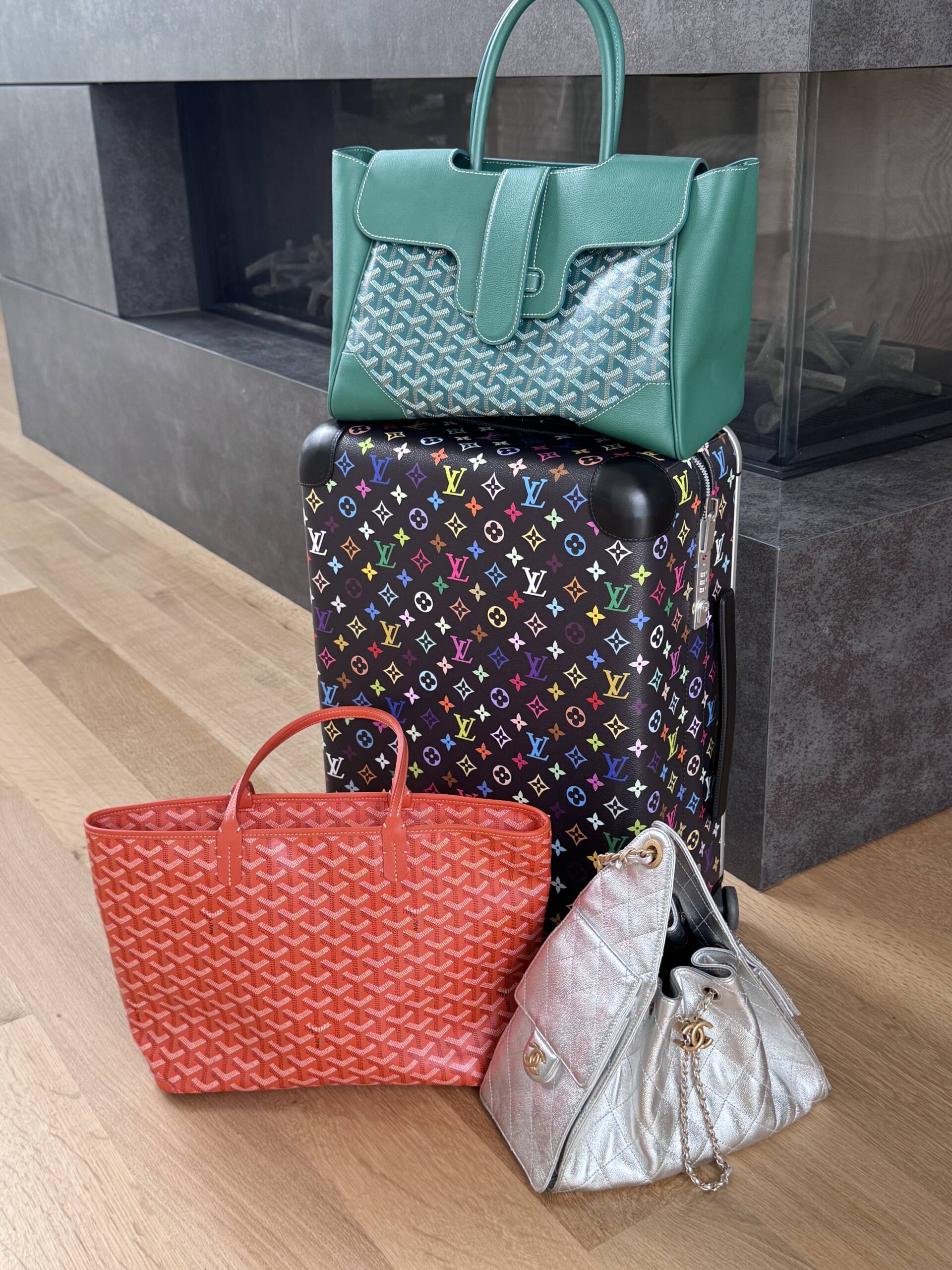
The tote needs to be large enough to fit your nested bags and other belongings, but also small enough to fit beneath the seat in front of you, allowing you to keep your most valuable belongings close throughout the flight.
For additional security, opt for a tote that closes securely with a zipper or other full fastening. Your items belong inside not spilling into the aisle.
PurseBop’s favorite travel totes include the Goyard Artois and Longchamp’s Le Pliage collection. They are lightweight options offered in different shapes and sizes. You don’t necessarily need a designer tote, either. A well-made canvas or nylon bag with a full closure can be just as practical.
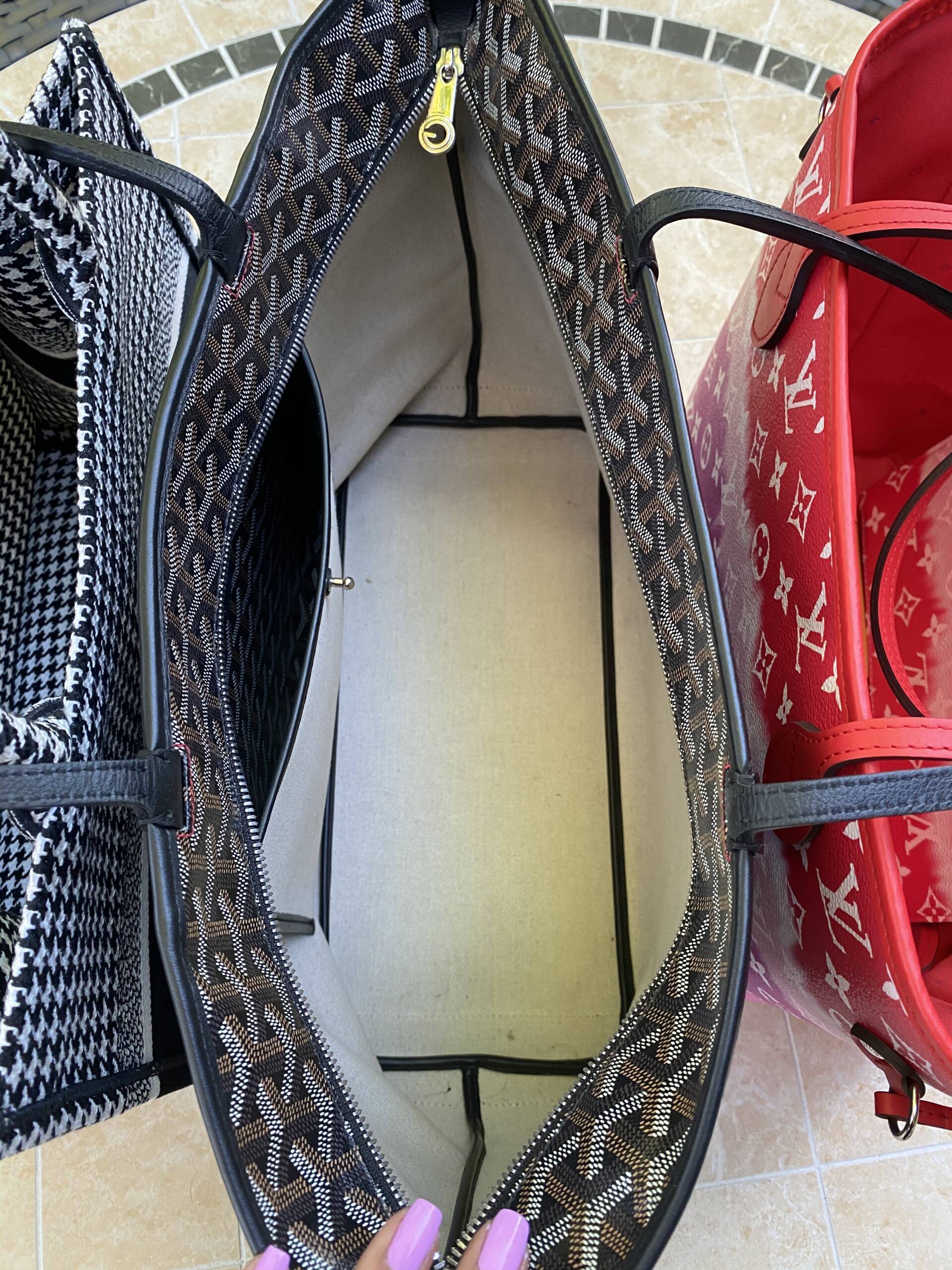
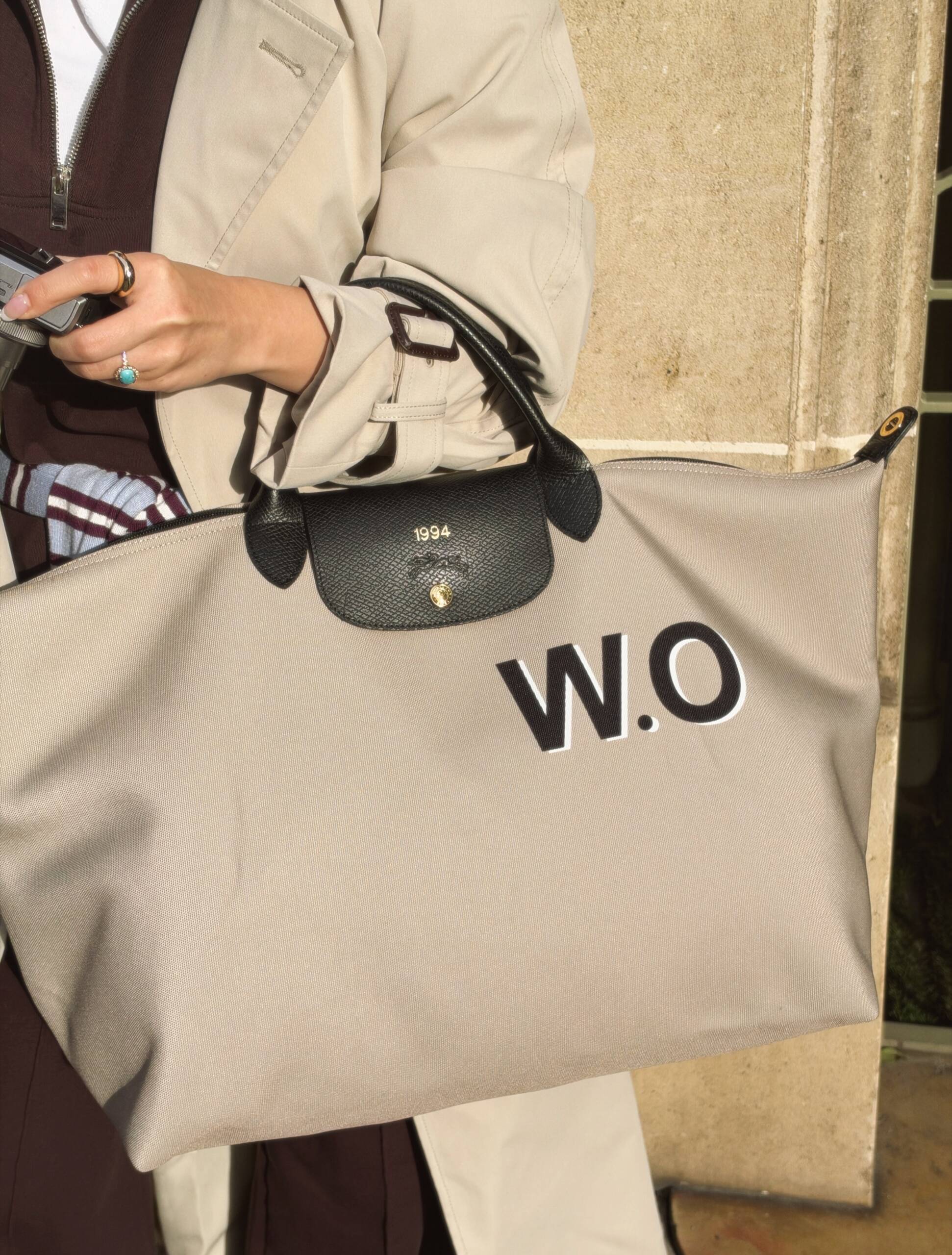
Image courtesy: @willamazing
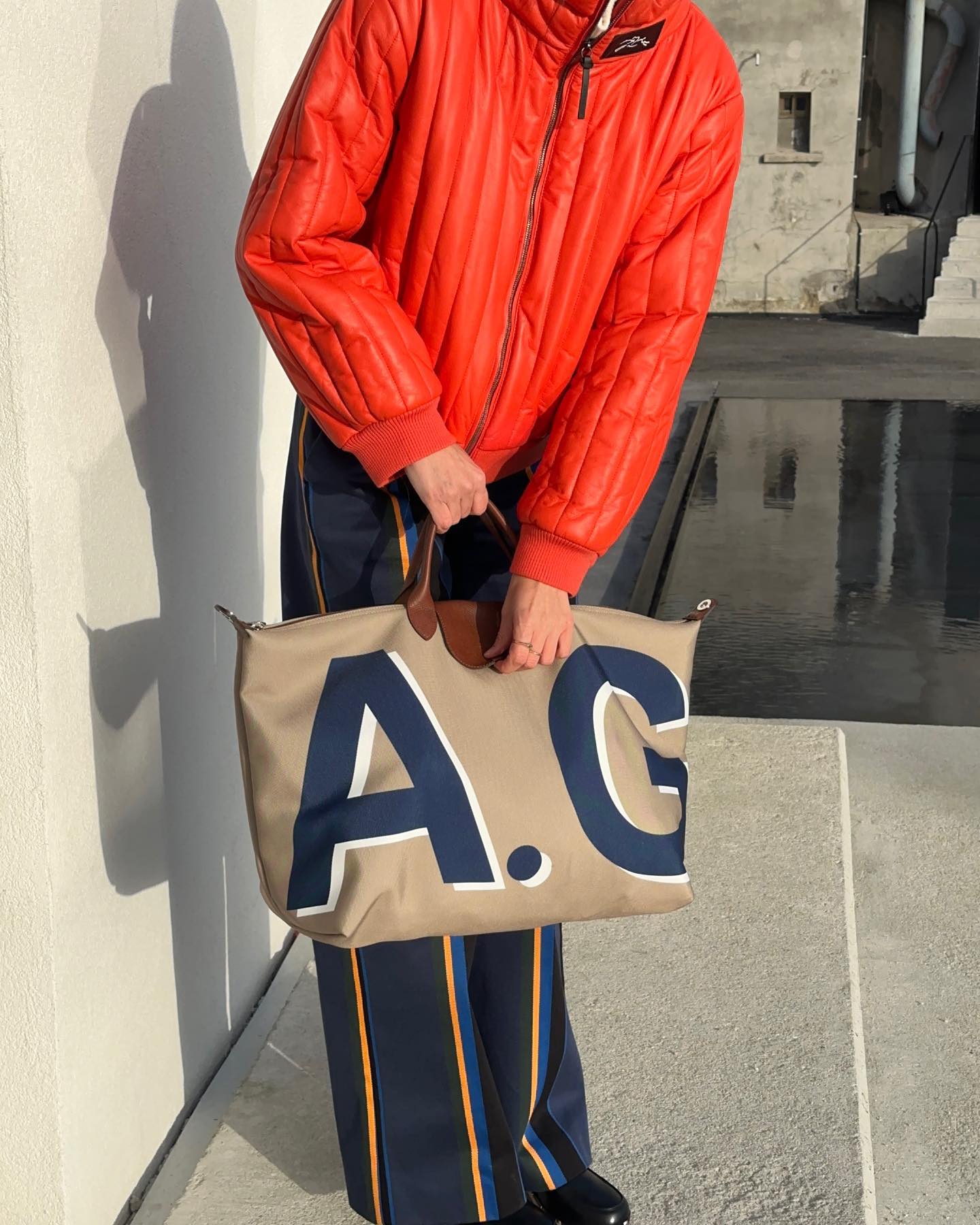
Image courtesy: @allisguijarro
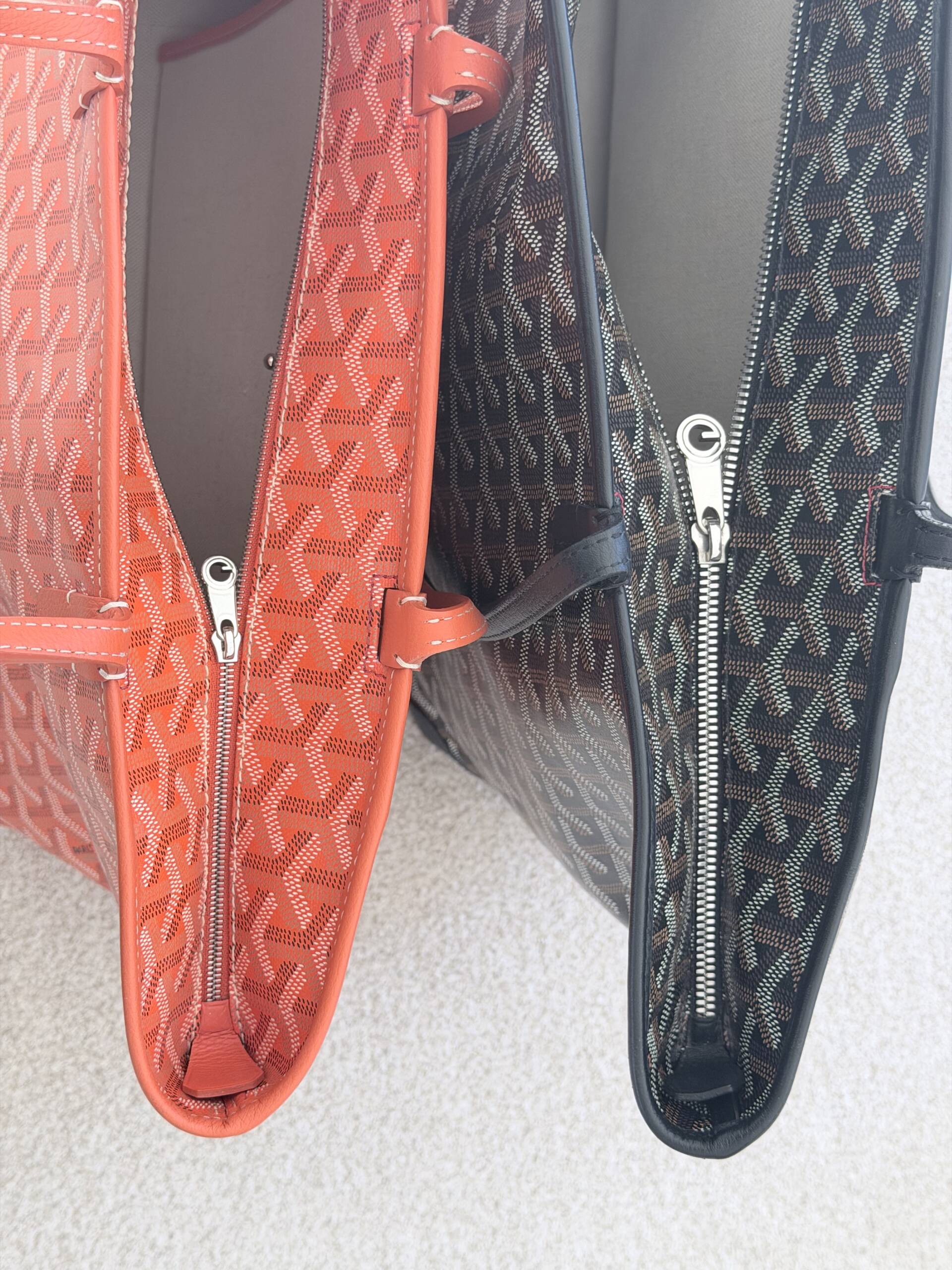
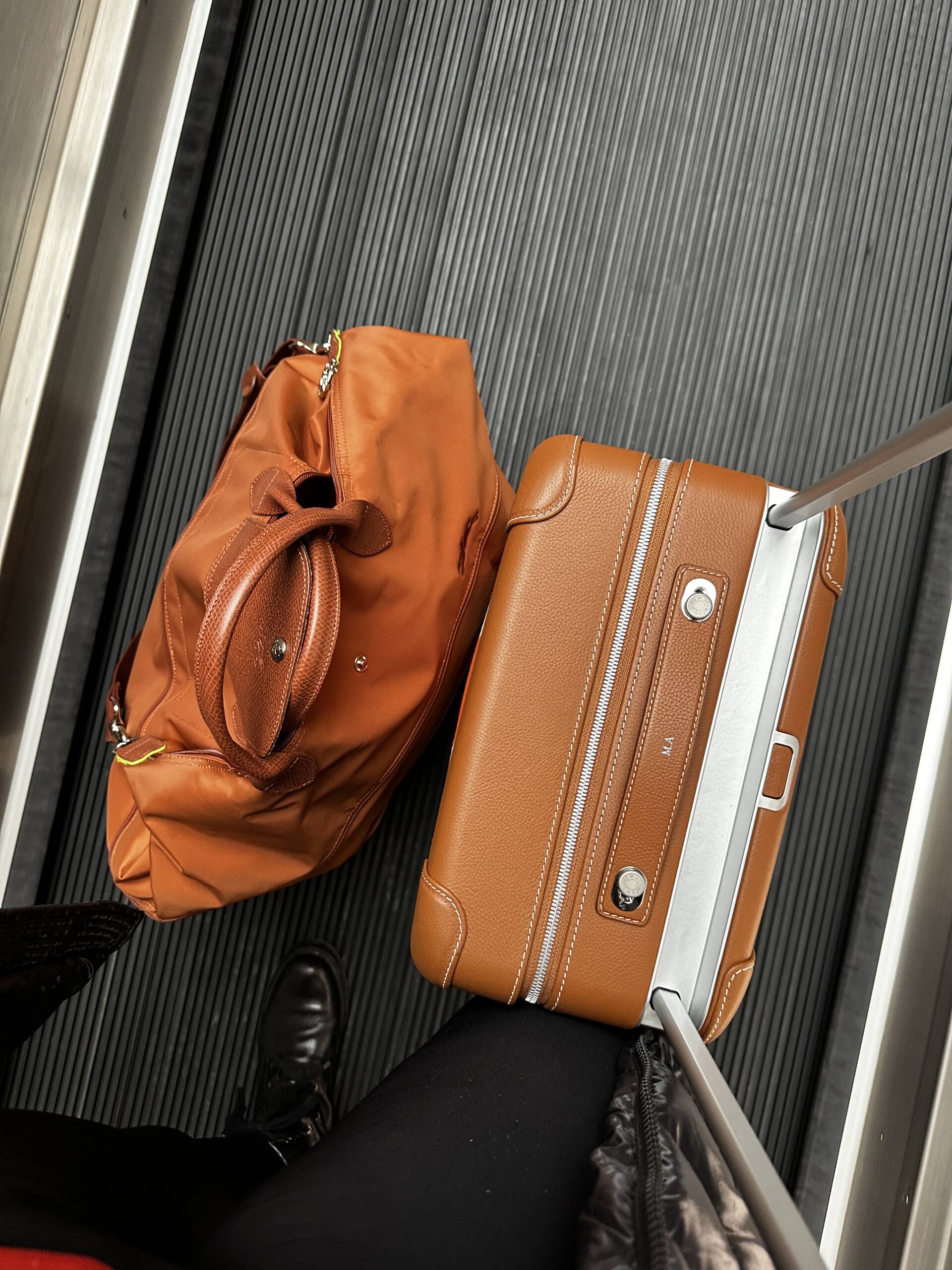
Finally, consider how your tote will work alongside your cabin suitcase. A bag that sits comfortably on top of a rolling suitcase, whether through a luggage sleeve or by resting securely over the extended handle, makes navigating the airport considerably easier. Always check the dimensions of your chosen personal item against your airline’s allowance before departure, as requirements vary.
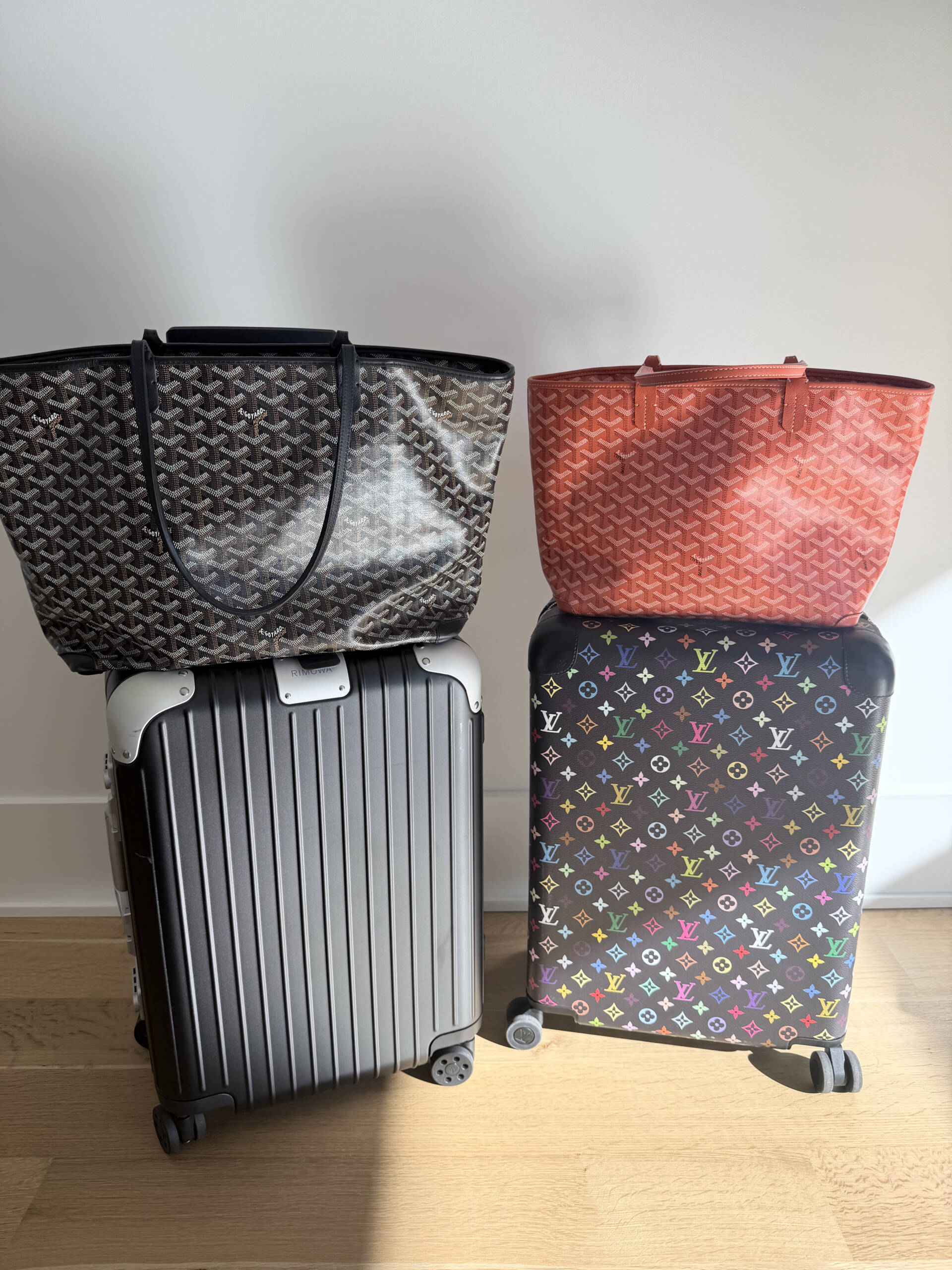
Choosing the Right Carry-On
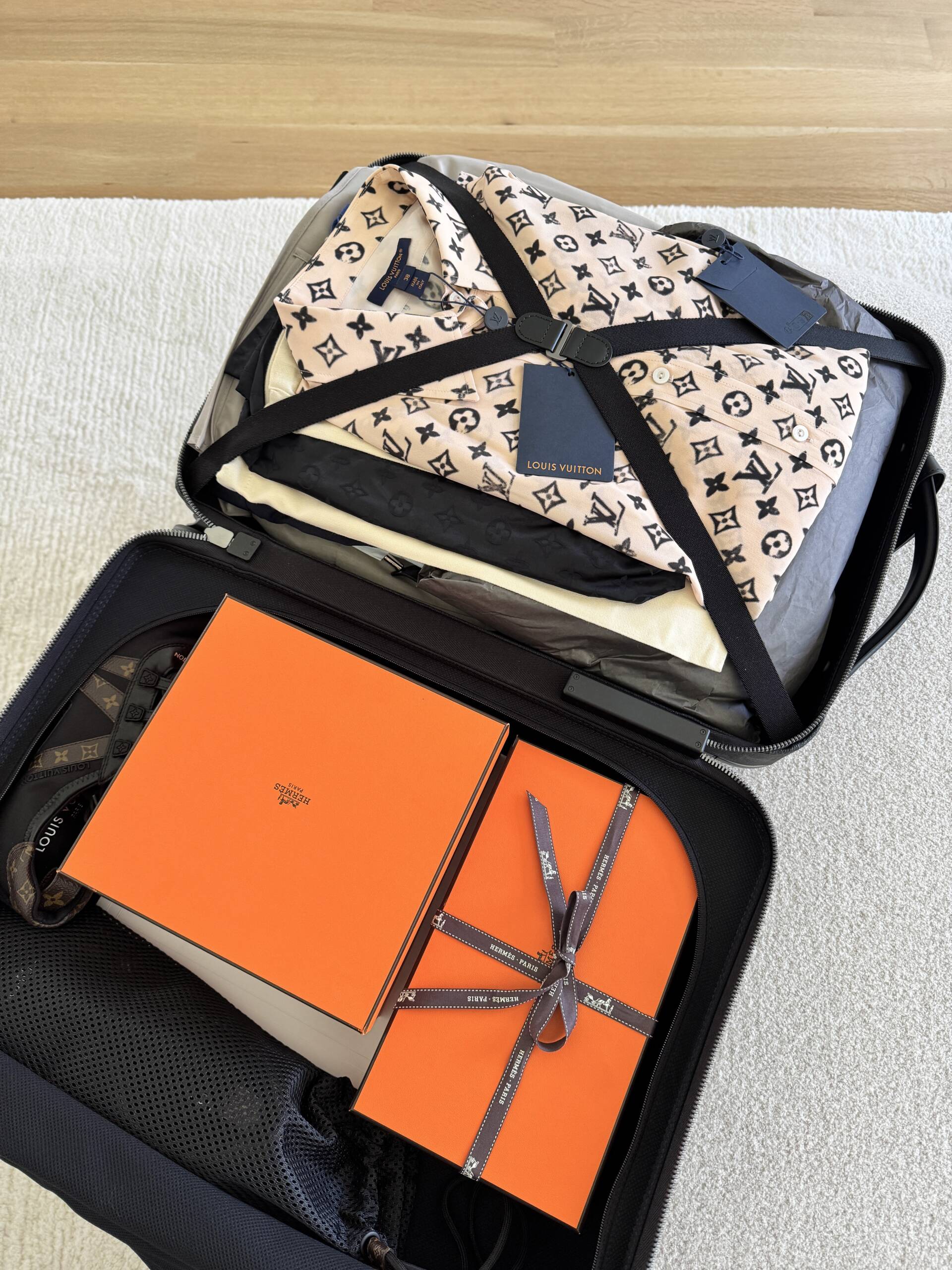
While your travel-day tote stays beneath the seat in front of you, your cabin suitcase is destined for the overhead compartment. This is where you can pack everything else you’d rather not entrust to checked luggage, from designer shoes and boots to jackets, delicate ready-to-wear and additional accessories that need a little extra protection. However, bear in mind that cabin bags are sometimes gate-checked when overhead space is limited, so keep your most valuable and irreplaceable pieces in your personal item.
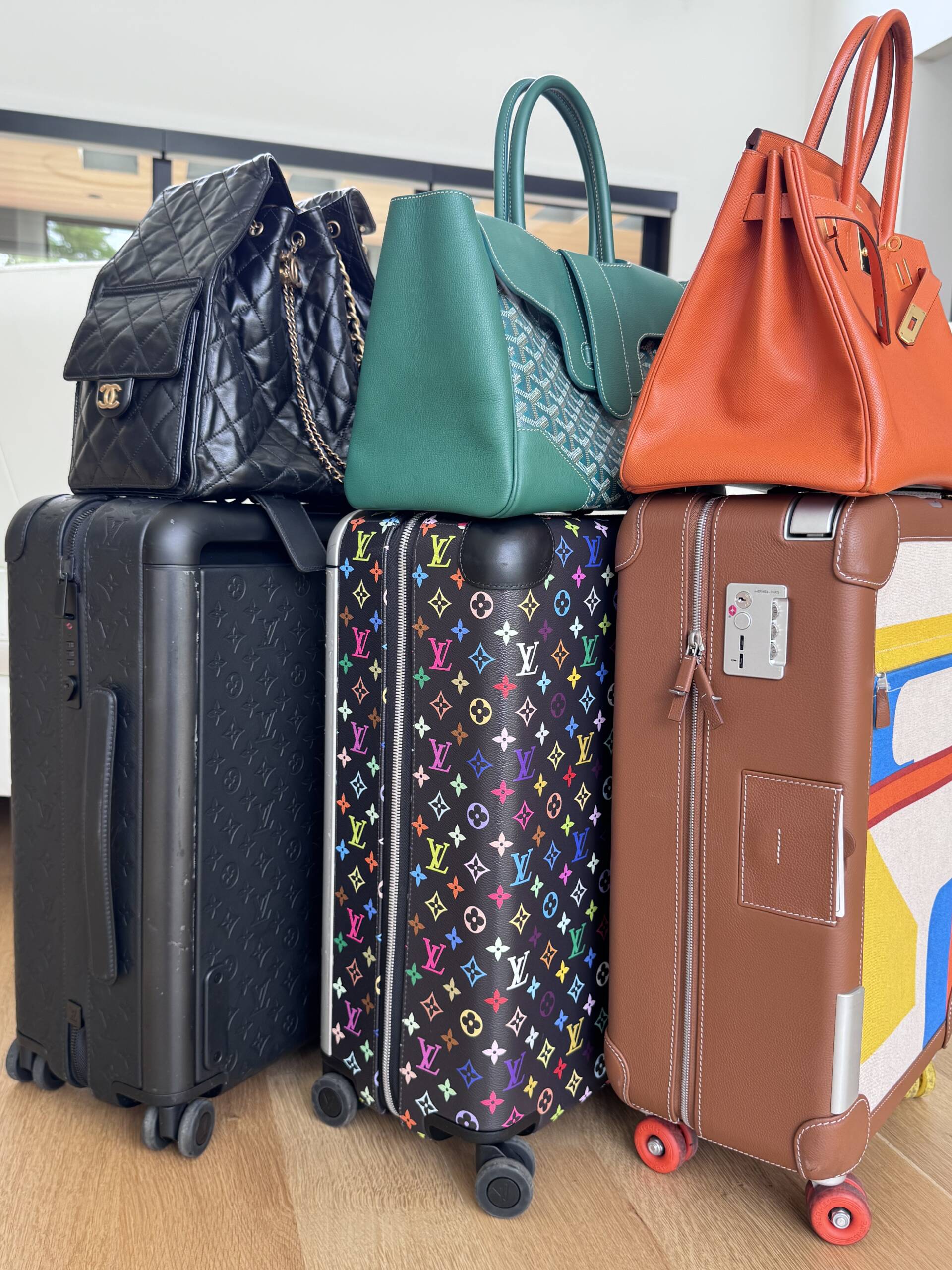
The first decision is whether to choose a hard-sided or soft-sided case. Both have their advantages. Hard-sided luggage offers a protective outer shell that can help shield belongings from knocks and pressure, while soft-sided cases are often lighter and offer a little more flexibility when packing bulkier items. Some also feature external pockets for easy access to travel documents and smaller essentials.
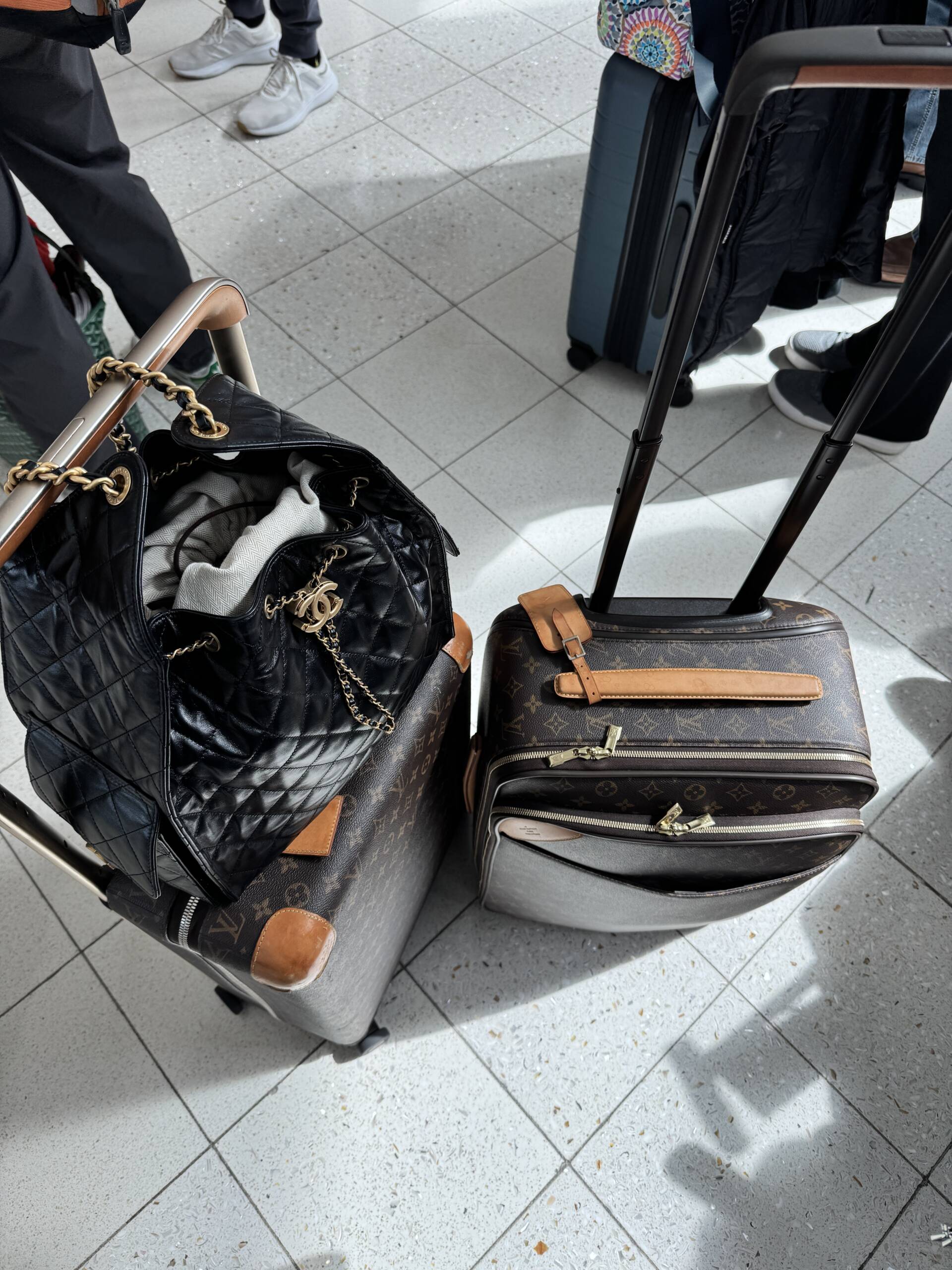
It’s also worth considering how much of a statement you want your luggage to make. When travelling with valuable handbags and accessories, a more understated suitcase can be a sensible choice. To avoid drawing unnecessary attention, it might be a good time to leave the brands and logos at home.
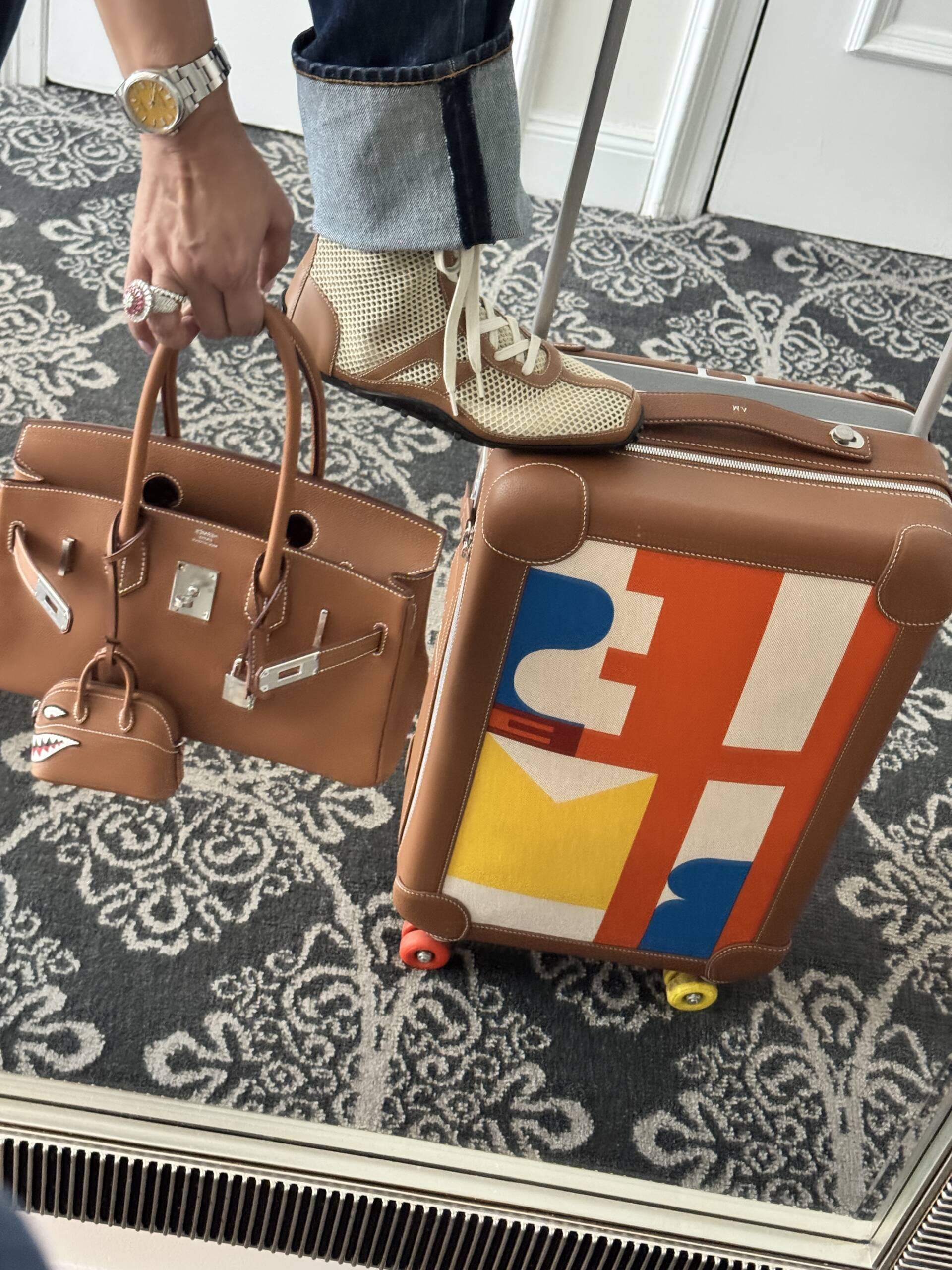
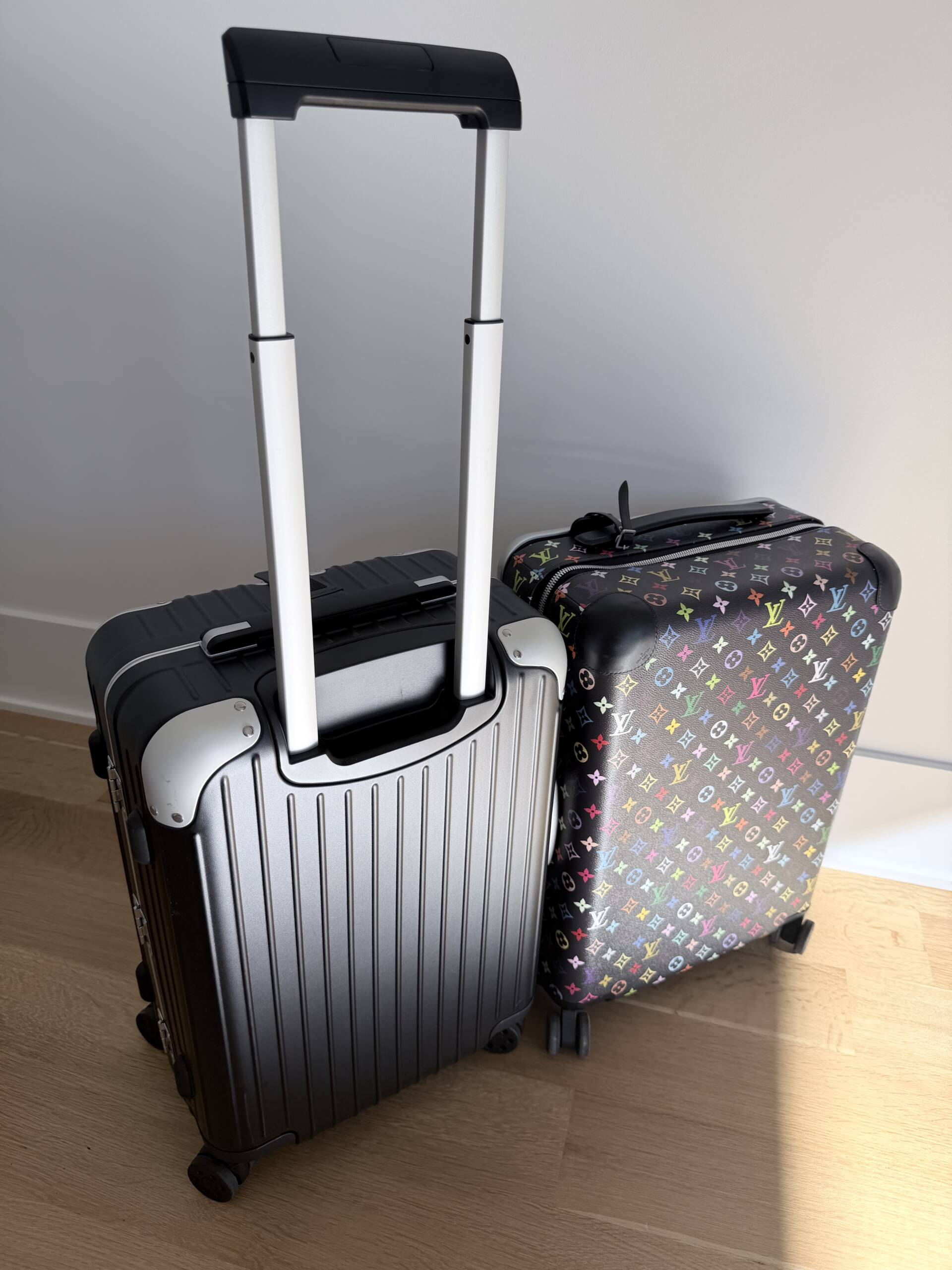
Whichever you choose, look for sturdy construction, reliable zippers, smooth-rolling wheels and an interior that allows you to organize your belongings. A well-designed case should make it easy to separate delicate items from heavier pieces and prevent everything from shifting around during transit. Just remember to check your airline’s cabin baggage dimensions and weight allowance before traveling.
Packing Your Luxury Pieces with Care
A good suitcase is only half the equation. How you pack it matters, particularly when travelling with luxury fashion and accessories.
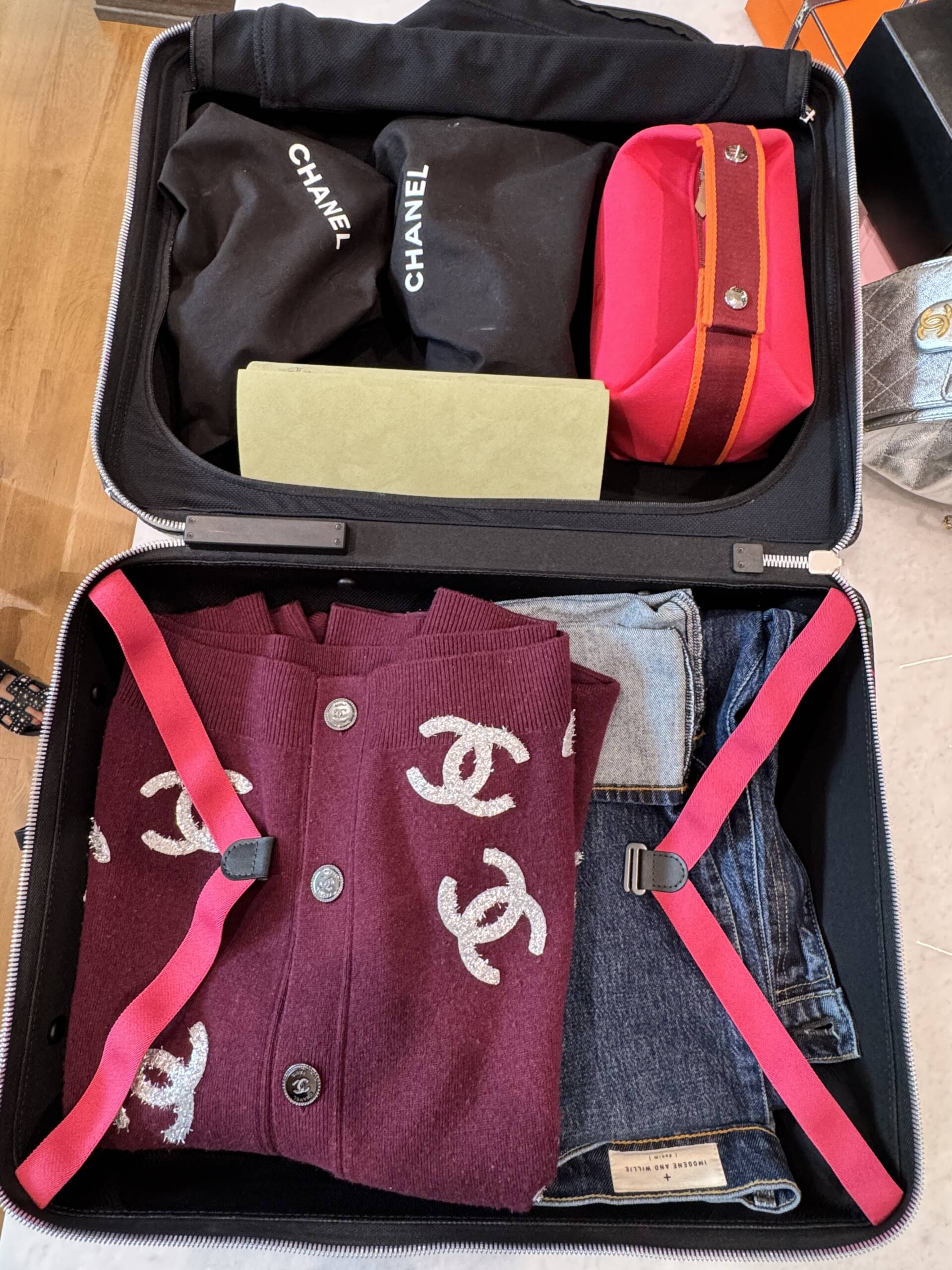
Packing cubes help separate clothing and smaller essentials, while compression cubes can be useful for bulkier items. However, avoid compressing delicate fabrics, structured garments or pieces prone to creasing, which need room to breathe.
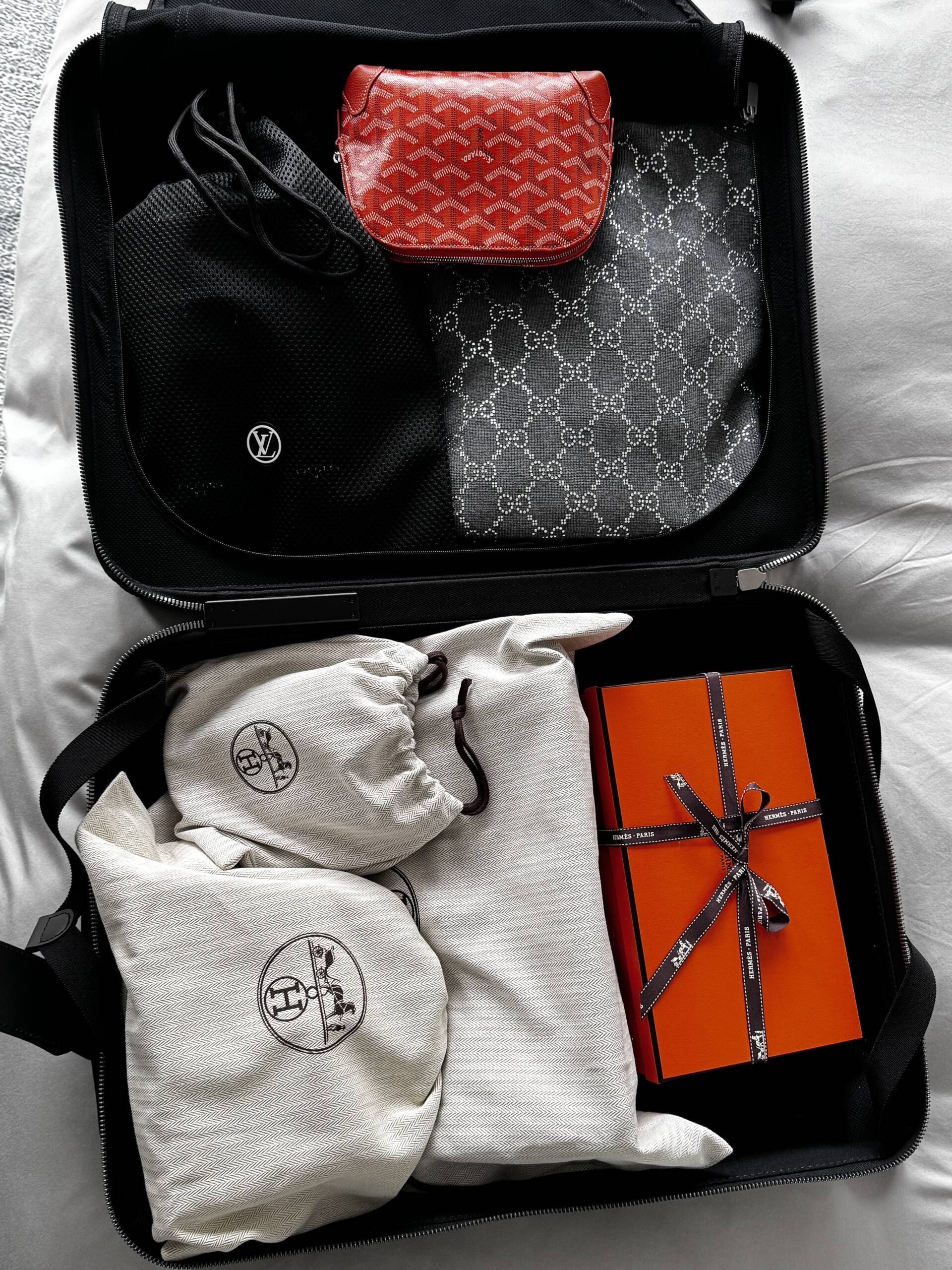
For designer footwear, use individual dust bags to prevent soles, buckles and hardware from rubbing against other belongings. Allow extra room for boots, and fold jackets and structured ready-to-wear carefully, using a garment bag where appropriate. Finally, keep heavier items near the wheels and delicate pieces away from anything that could crush them.
Keep a Virtual Eye on Your Checked Luggage
While you can’t always prevent an airline from misplacing your luggage or sending it on a different flight, you can keep track of its journey virtually. Many airlines now offer baggage-tracking features through their apps, allowing passengers to follow the status of checked bags at different stages of the journey, from check-in and loading to arrival at the carousel. Some also provide updates if luggage is delayed or transferred to another flight.
For an additional layer of reassurance, consider placing an Apple AirTag or another compatible tracking device inside your checked suitcase. These small trackers use compatible networks to help you locate your belongings, even if your luggage doesn’t arrive when you do. They can also be useful in your cabin suitcase or travel-day tote, particularly if you’re unexpectedly asked to place your carry-on in the aircraft hold.
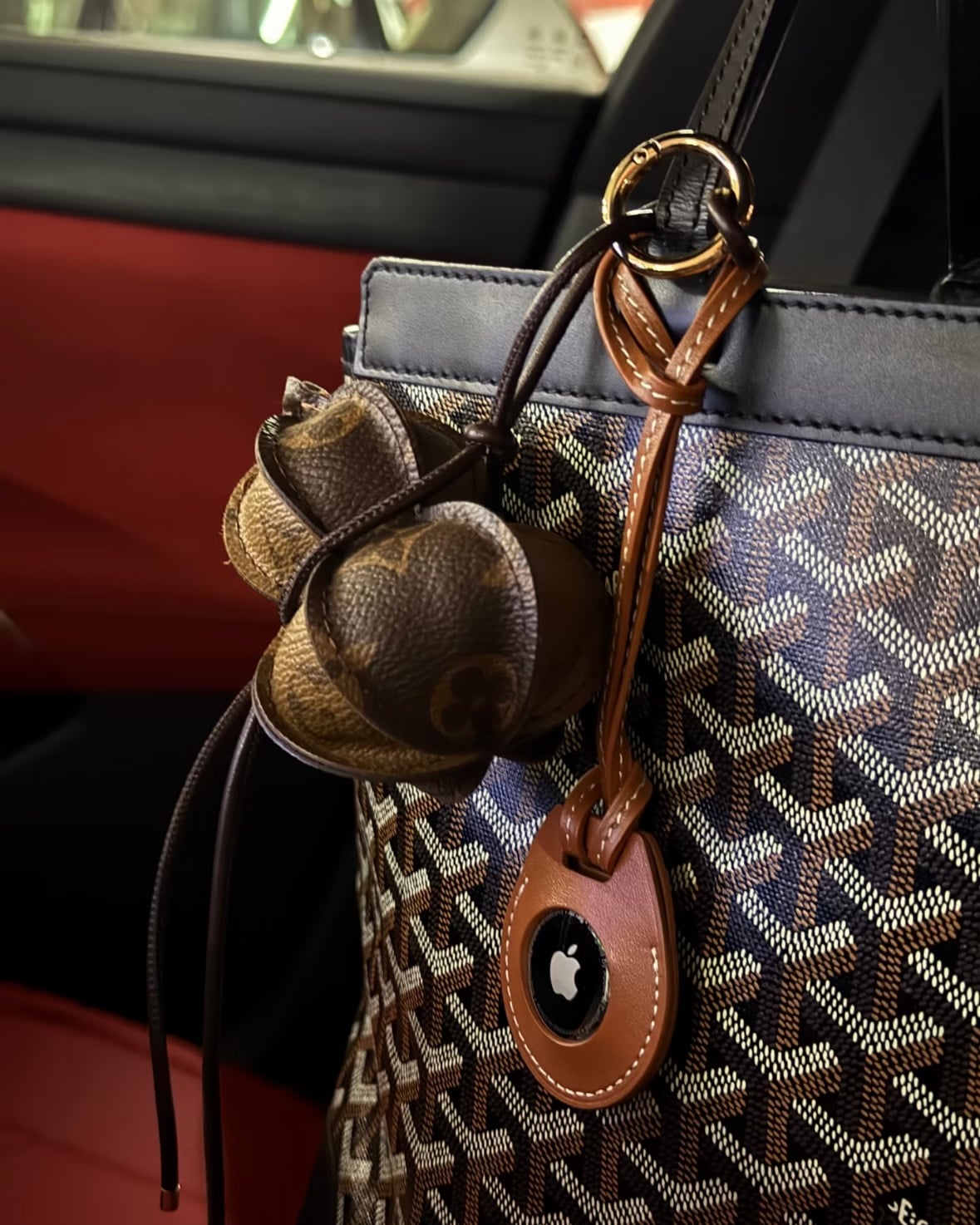
Image courtesy: Red
Packed, Protected and Ready to Go
With your handbags safely nestled, valuables tucked away and carry-on packed to perfection, you’re ready for takeoff. But let’s be honest: one of the best parts of traveling is the shopping. And if Paris is on your itinerary, knowing how to shop smartly can make those luxury purchases even sweeter. In the final part of our series, we’re getting into the ins and outs of tax-free shopping, VAT refunds, customs declarations and the potential savings (or unexpected costs) that come with bringing your latest treasures home. After all, there’s more to a successful shopping trip than securing the bag!
Read related articles:
The Ultimate Luxury Travel Guide: How To Do It Safely and Stylishly
Four Important Tips Safeguard Your Carry-On Luxury Luggage
What CBP Agents Can Do Without a Warrant While Traveling
Tips for Traveling Internationally with Valuable Bags
Part I: PurseBop Shares Tips for Traveling Internationally with Valuable Bags and Luggage
Journey in Style with the Ultimate Luxury Luggage
Love, PurseBop
XO







Comments